Assoc. Prof. Dr. Ahmet Özkan, who visited East Turkestan, said: “We saw nothing positive in terms of freedom of language, religion and worship.”
Seyhan Şentürk - Istanbul
Assoc. Prof. Dr. Ahmet Özkan, a faculty member at the School of Justice Vocational Education of Ankara Hacı Bayram Veli University, shared his impressions following his visit to East Turkestan.
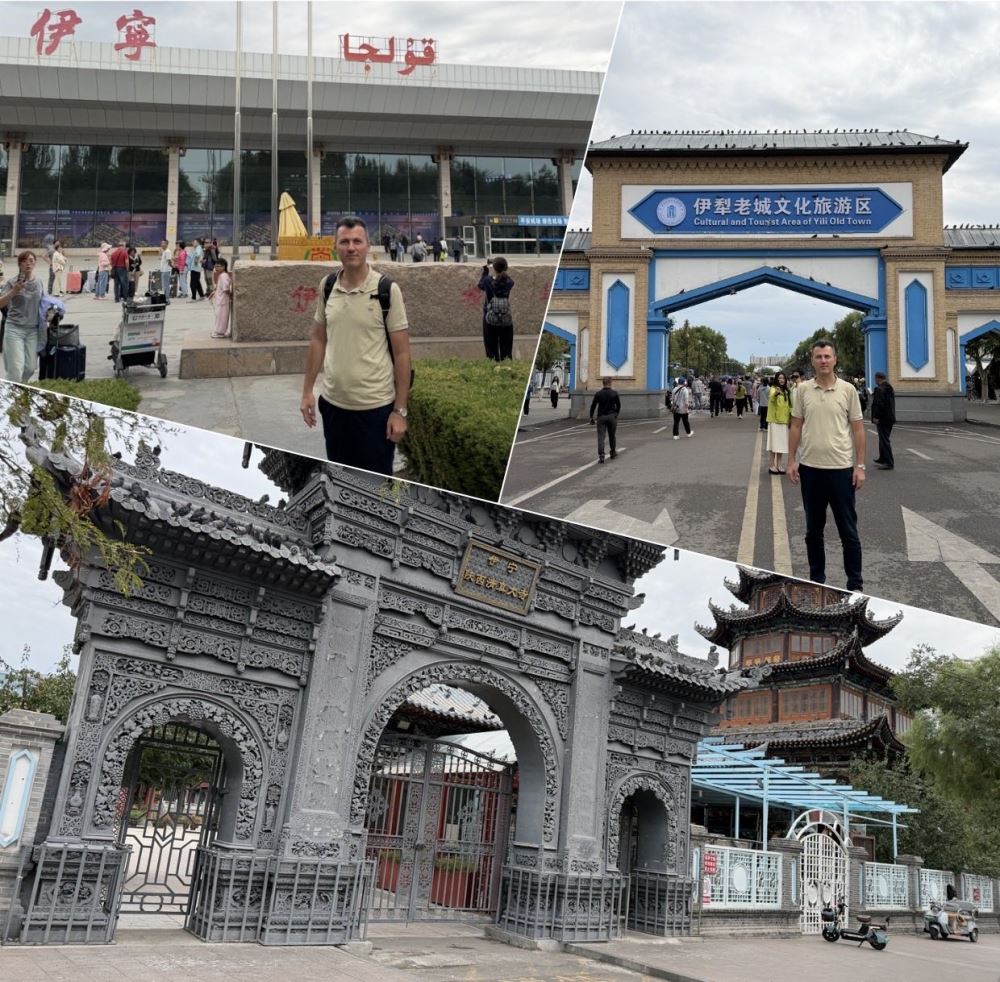
Stating that they had visited Gulja, Kashgar and Urumqi, Özkan said, “In general, we saw nothing positive in terms of freedom of language, religion and worship in the cities we visited.”
MOSQUES SILENCED
Özkan stated that the area surrounding the Beytullah Mosque in Gulja had been closed off and that construction work was being carried out at the mosque. He said they were told that the building had been undergoing restoration.
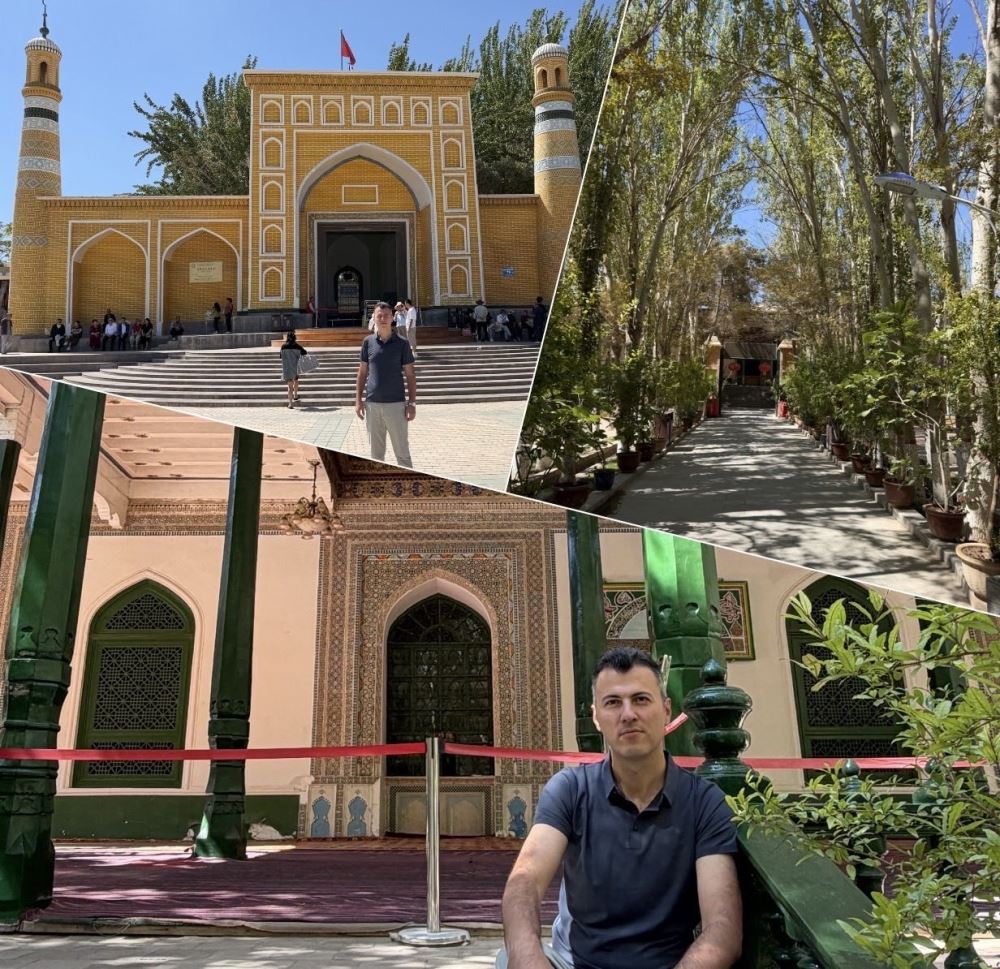
He explained that the Id Kah Mosque in Kashgar was open to tourists during certain hours, but that it was not possible to perform prayers inside during those visiting hours.
“Furthermore, all the mosques in the areas we visited were closed to worship. Although the entrances to some mosques were opened at certain times of the day, entry was not permitted. In addition, we observed that all signs in the cities we visited had been translated into Chinese and that Chinese was the language spoken. Throughout the trip, we were subjected to passport checks on numerous occasions,” Özkan said.
Noting that they had also seen many mosques in Urumqi, Özkan stated, “They were all closed and left to their fate.”
THEY COULD NOT VISIT THE TOMBS EITHER
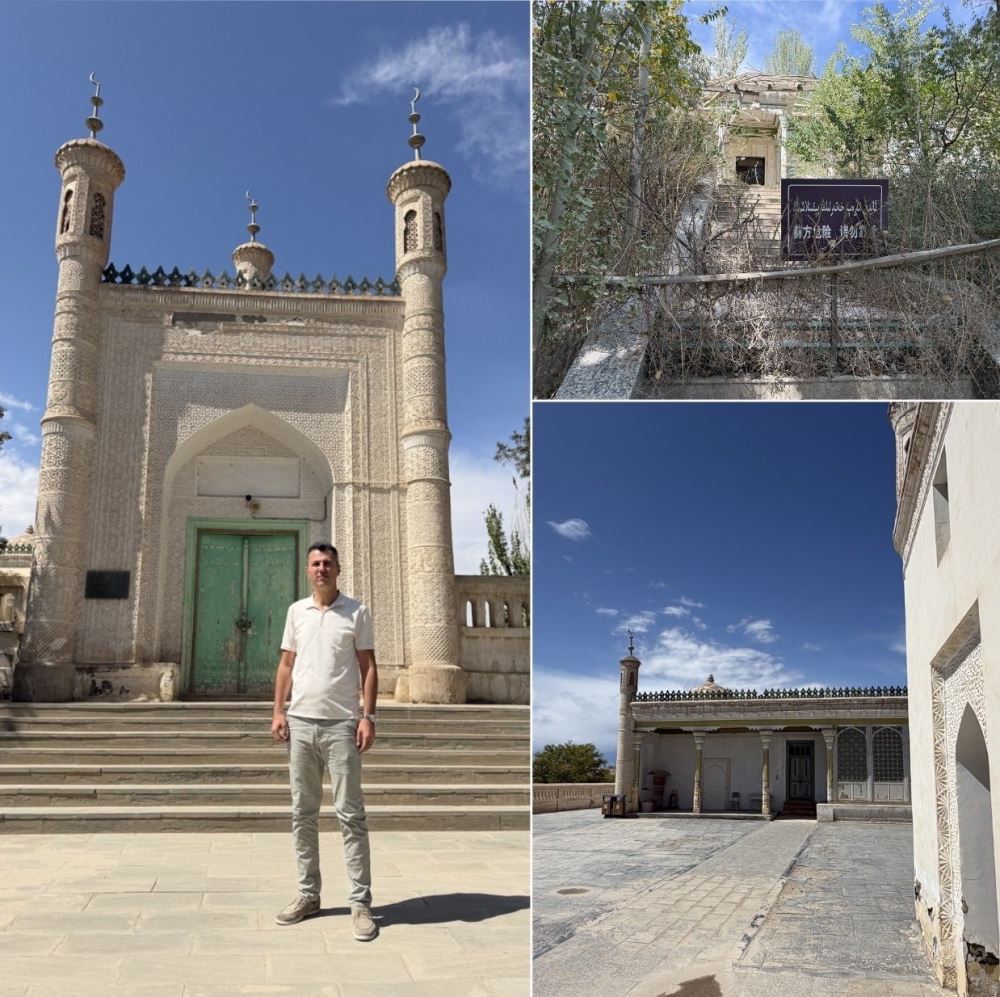
Özkan stated that they had wanted to visit the tomb of Abdülkerim Satuk Buğra Han in Artush, near Kashgar, but noted that although they were able to reach a point very close to the site, they were not allowed to enter.
Regarding the tomb of Mahmud al-Kashgari, Özkan said they had been able to enter the complex but that the paths leading to the tomb were closed and the gates were locked.
“We could not enter because it was locked. The site had an unmaintained and dilapidated appearance,” he said.
INTENSE SURVEILLANCE
Özkan said they had witnessed the people living in the region being kept under surveillance through practices such as cameras, audio recording, restrictions on phone applications and internet limitations.
Yeni Asya English